
Buying a Home in Eagleville
Get a local home value review for Eagleville. Online estimates can miss condition, updates, acreage, outbuildings, and active competition.
Homes • Land • Acreage • Investment Property
No pressure. Just practical answers and clear next steps.
BUYER’S GUIDE
A Simple Process to Buy a Home in Eagleville
Buying a home in Eagleville is easier to think through when the process is broken into clear steps. The goal is to understand what you want, what you can afford, what the market is offering, and which properties are worth a closer look.
- Consultation
Talk through your goals, budget, timeline, property needs, preferred areas, and any must-haves or deal breakers. - Custom Property Search
Set up a search for homes, land, acreage, or investment property that matches your criteria. - Tour and Evaluate
Compare properties by condition, price, location, lot size, restrictions, inspection concerns, and resale considerations. - Make an Offer
Review price, terms, contingencies, inspections, closing timeline, and negotiation strategy before submitting an offer. - Under Contract to Closing
Work through inspections, appraisal, financing, title, deadlines, repairs, and closing details.
Ready to Start?
Tell Eric what you are looking for and he can help set up a custom Eagleville property search.
Direct Phone: +1 629-253-6611
The Process
How Eric Helps Eagleville Buyers.
Local Insight
Deep market knowledge to uncover the finest opportunities in your desired neighborhoods.
Custom Search
Tailored property curation ensuring you only view homes that match your exact lifestyle.
Property Evaluation
Accurate and transparent valuations utilizing advanced market data and historical analysis.
Offer Guidance
Strategic negotiation and comprehensive contract review to protect your investment.
Clear Next Steps
Seamless coordination from accepted offer to successful closing day.
Smart Buying Moves
Before You Start Touring Properties
Success in the Middle Tennessee market requires strategic preparation, not just scrolling through listings.
The Strategic Approach
- Define clear non-negotiables vs. nice-to-haves
- Secure pre-approval from a local Middle Tennessee lender
- Analyze property values and historical appreciation trends
- Understand zoning and land use for rural properties
- Develop a timeline aligned with market seasonality
The Common Trap
- Scrolling listings without a defined purchasing strategy
- Assuming national mortgage rates apply locally
- Judging properties strictly by photos instead of layout and land
- Ignoring long-term development plans in the county
- Waiting to engage an advisor until finding a home
Expert Advice
What to Consider Before Buying a Home in Eagleville, TN
Purchasing a home in Eagleville is a significant investment. The area offers a mix of traditional homes, larger lots, acreage, rural-edge properties, newer construction, and investment opportunities. Because properties in and around Eagleville can come with different utility setups, land-use restrictions, access considerations, and long-term costs, buyers need to look beyond the photos and asking price. Whether you are buying your first home, moving within Middle Tennessee, or looking for more land and privacy, taking a practical approach can help you make a more confident decision.
1. Build a Realistic Budget for Buying in Eagleville
Your purchasing power extends beyond the sticker price of the property. When setting your budget, factor in Rutherford County property taxes, homeowners insurance, utilities, maintenance, repairs, closing costs, and moving expenses. Getting pre-approved for a mortgage early in the process helps you understand your price range, estimated payment, loan options, and cash needed to close. If you are considering acreage or a rural property near Eagleville, also think through utility access, septic or sewer needs, well considerations, driveway costs, surveys, soil testing, fencing, and other improvements that may affect the true cost of ownership.
2. Research Location, Schools, Commutes, and Rural Property Logistics
Eagleville buyers may be comparing different priorities than someone looking in a more developed part of Rutherford County. Some buyers want to be closer to town, while others are looking for more acreage, privacy, or space outside a traditional subdivision. Before choosing a property, research commute routes, school zoning, public records, taxes, zoning, restrictions, road access, utilities, safety information, and local services through official sources. A real estate agent can help you evaluate the property and transaction, but your personal area research should be based on your own needs and verified information.


3. Compare New Construction, Existing Homes, and Rural Properties
Eagleville buyers may be comparing newer homes, established properties, and homes on larger lots or acreage. New construction may offer modern layouts, newer systems, builder warranties, and fewer immediate repair concerns, but buyers still need to review contracts, upgrade pricing, timelines, inspections, warranties, and any recorded restrictions. Existing homes may offer more land, mature landscaping, established improvements, barns, outbuildings, or other features that may be difficult or expensive to recreate. The right choice depends on your budget, timeline, land needs, and comfort level with future repairs or improvements.
4. Verify Zoning, Restrictions, Easements, and Property Use
When buying in or around Eagleville, property restrictions can be just as important as the house itself. Before making an offer, review deed restrictions, HOA rules when applicable, zoning, easements, road frontage, access, utility availability, fencing requirements, and any limitations that could affect how you plan to use the property. This matters even more if you want to keep animals, add a barn or detached garage, build another structure, park equipment or trailers, divide land, or use the property for a specific purpose. Never assume acreage automatically means unrestricted use.
5. Get Thorough Inspections and Evaluate the Land
Never rely only on listing photos or a quick walkthrough. A clean-looking home can still have issues with the roof, HVAC, plumbing, electrical, drainage, foundation, crawlspace, moisture, grading, windows, appliances, or general maintenance. For properties with acreage, the land itself also deserves attention. Depending on the property, you may need specialized evaluations for septic systems, wells, soil conditions, structural concerns, pests, property boundaries, drainage, flood areas, or access. Inspections and due diligence are not about killing a deal. They are about understanding the home and land before you fully commit.
Explore your options
Explore Real Estate Opportunities
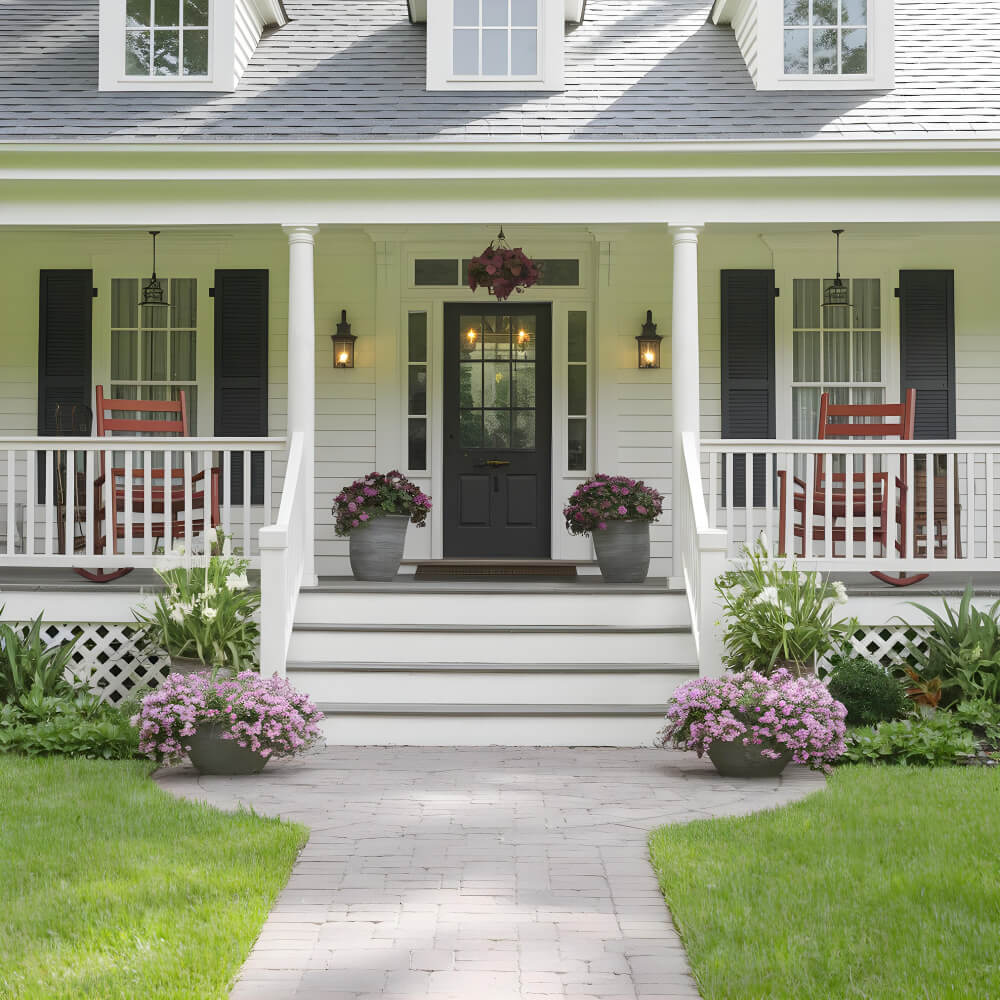
Homes
Discover beautiful residential properties perfect for you and your family in prime neighborhoods.
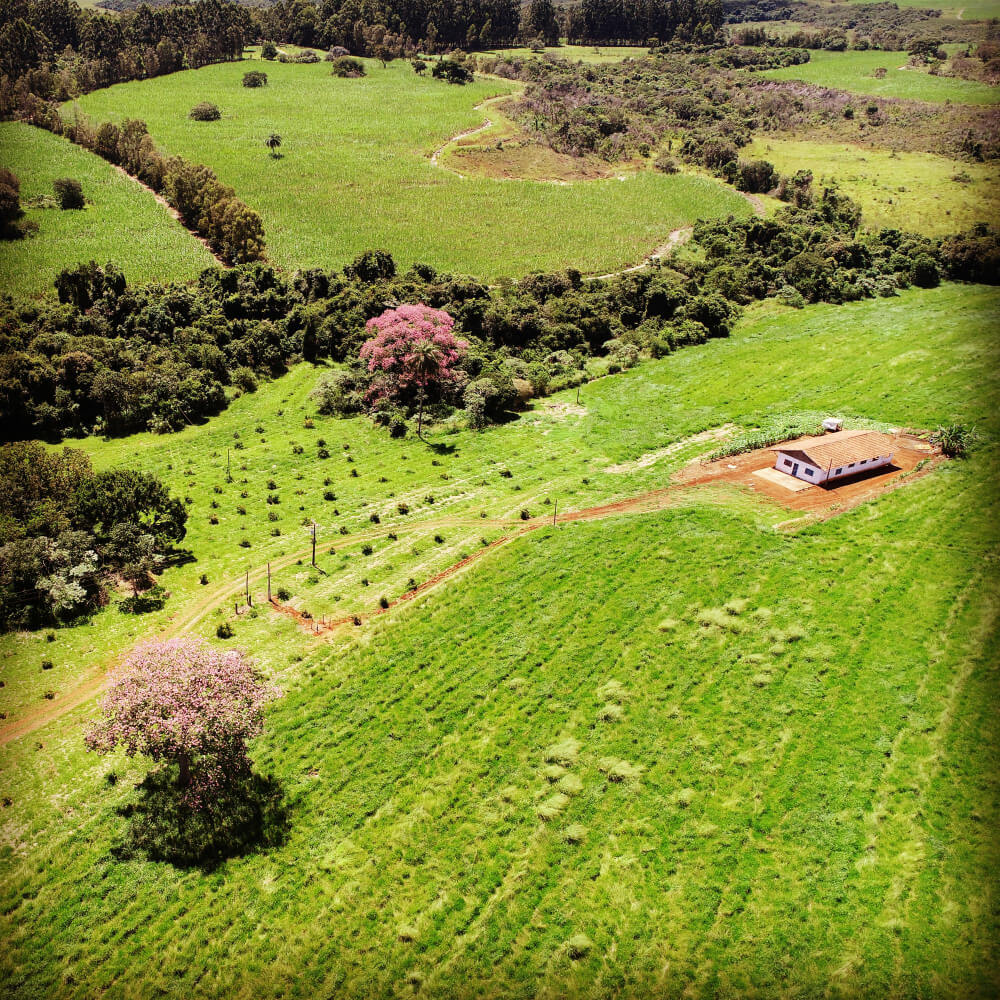
Land and Acreage
Find the perfect plot of land to build your dream home or utilize for expansive recreational use.
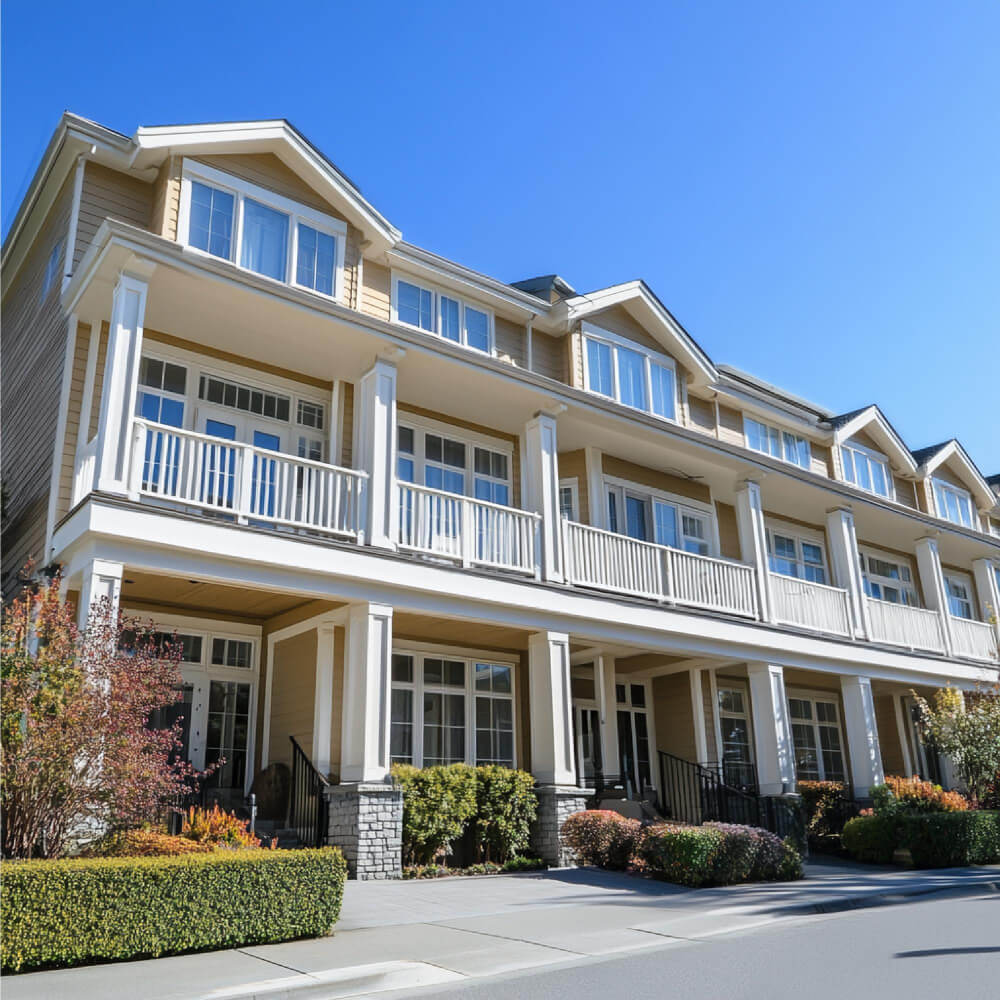
Investment Property
Explore lucrative real estate investments designed to generate long-term wealth and high ROI.
Disclaimer: All properties are subject to prior sale, change or withdrawal. Information provided is deemed reliable but not guaranteed and should be independently verified.
BUYER FAQ
Questions About Buying in Eagleville
Clear, authoritative answers to the most frequent inquiries regarding Eagleville real estate, acreage, and property investments.
Is Eagleville, TN a good place to buy a home with land?
Eagleville can be a good fit for buyers looking for more space, larger lots, acreage, or a less dense setting than some of the larger nearby cities.
The right property depends on your budget, commute, land needs, and long-term plans. Before buying, verify zoning, deed restrictions, utilities, septic requirements, access, and any limitations that could affect how you plan to use the property.
What should I budget for when buying a home or acreage in Eagleville?
Your budget should include more than the purchase price. Buyers should plan for property taxes, homeowners insurance, utilities, maintenance, repairs, closing costs, and moving expenses.
For acreage or rural properties, additional costs may include surveys, septic work, wells, fencing, driveway improvements, soil testing, drainage work, and utility connections.
What should I check before buying land or acreage in Eagleville?
Before buying land or acreage, verify legal access, road frontage, zoning, deed restrictions, easements, utility availability, septic potential, soil conditions, drainage, flood information, and property boundaries.
Do not assume acreage is automatically buildable, unrestricted, or suitable for livestock, additional structures, or a specific use without confirming those details first.
Are septic systems and wells common considerations when buying around Eagleville?
They can be important considerations, especially with larger lots, acreage, and properties outside more developed areas. Buyers should verify how the property receives water and handles wastewater rather than assuming public utilities are available.
When applicable, specialized inspections or evaluations of septic systems, wells, soil, and utility access can help you understand what you are buying before closing.
What inspections should I consider for an Eagleville property?
A professional home inspection is a good starting point for evaluating the roof, HVAC, plumbing, electrical system, foundation, crawlspace, moisture, drainage, and other major components.
Depending on the property, you may also need septic, well, pest, structural, drainage, soil, or survey-related evaluations. Properties with acreage often require you to evaluate both the house and the land.
What should I review before making an offer on a home in Eagleville?
Before making an offer, compare recent sales, current competition, property condition, major system ages, lot size, acreage, access, utility setup, deed restrictions, easements, financing requirements, and possible resale considerations.
The goal is not just to decide whether you like the house. It is to understand whether the home, land, restrictions, and total cost make sense for your situation.

Eric Keith, REALTOR® / Affiliate Broker
Phone: 629-253-6611
Helping buyers, sellers, landowners, and investors make practical real estate decisions across Murfreesboro TN and Bedford County, Tennessee.
SERVICES
LOCATIONS
FRANKLIN
BRENTWOOD
NASHVILLE
MURFREESBORO



© 2026 ERIC KEITH, REALTOR®. | Equal Housing Opportunity | ALL RIGHTS RESERVED.