
Buy a Home or Property in Middle Tennessee.
Buying in Middle Tennessee is not just about finding a property you like. It is about understanding location, condition, financing, inspections, resale potential, and how quickly good properties are moving
Homes • Land • Acreage • Investment Property
BUYER’S GUIDE
A Simple Process to Buy a Home in Middle Tennessee
Buying a home in Middle TN is easier to think through when the process is broken into clear steps. The goal is to understand what you want, what you can afford, what the market is offering, and which properties are worth a closer look.
- Consultation
Talk through your goals, budget, timeline, property needs, preferred areas, and any must-haves or deal breakers. - Custom Property Search
Set up a search for homes, land, acreage, or investment property that matches your criteria. - Tour and Evaluate
Compare properties by condition, price, location, lot size, restrictions, inspection concerns, and resale considerations. - Make an Offer
Review price, terms, contingencies, inspections, closing timeline, and negotiation strategy before submitting an offer. - Under Contract to Closing
Work through inspections, appraisal, financing, title, deadlines, repairs, and closing details.
Ready to Start?
Tell Eric what you are looking for and he can help set up a custom Murfreesboro property search.
Direct Phone: +1 629-253-6611
The Process
How Eric Helps Middle Tennessee Buyers.
Local Insight
Deep market knowledge to uncover the finest opportunities in your desired neighborhoods.
Custom Search
Tailored property curation ensuring you only view homes that match your exact lifestyle.
Property Evaluation
Accurate and transparent valuations utilizing advanced market data and historical analysis.
Offer Guidance
Strategic negotiation and comprehensive contract review to protect your investment.
Clear Next Steps
Seamless coordination from accepted offer to successful closing day.
Smart Buying Moves
Before You Start Touring Properties
Success in the Middle Tennessee market requires strategic preparation, not just scrolling through listings.
The Strategic Approach
- Define clear non-negotiables vs. nice-to-haves
- Secure pre-approval from a local Middle Tennessee lender
- Analyze property values and historical appreciation trends
- Understand zoning and land use for rural properties
- Develop a timeline aligned with market seasonality
The Common Trap
- Scrolling listings without a defined purchasing strategy
- Assuming national mortgage rates apply locally
- Judging properties strictly by photos instead of layout and land
- Ignoring long-term development plans in the county
- Waiting to engage an advisor until finding a home
Expert Advice
What to Consider Before Buying in Murfreesboro
Buying a home or property in Middle Tennessee is a serious decision, and the right choice is not just about liking the house. It is about understanding the property, the numbers, the location, the condition, the financing, and the long-term fit.
Middle Tennessee includes a wide range of real estate options, from homes in established neighborhoods and newer subdivisions to rural properties, land, acreage, investment property, and homes on the edge of town. A buyer looking in Murfreesboro may be comparing very different properties than someone looking in Smyrna, Eagleville, Shelbyville, Bell Buckle, or rural Bedford County.
Before you start touring homes, it helps to slow down and think through the details that can affect your purchase.
1. Establish a Realistic Budget
Your budget needs to include more than the purchase price. Property taxes, homeowners insurance, HOA dues, utilities, maintenance, repairs, closing costs, and moving expenses can all affect what a property really costs.
Getting pre-approved early is one of the smartest first steps. It helps you understand your price range, estimated payment, loan options, and cash needed to close. It also helps you move more confidently when the right property comes along.
For buyers looking at land, acreage, or rural property, budgeting should go even deeper. You may need to consider septic, well or water access, utility extension costs, driveway work, fencing, surveys, soil testing, clearing, grading, or future construction costs.
2. Research the Area Carefully


Location matters, but every buyer needs to decide what matters most to them. Some buyers care about commute routes. Others care about proximity to work, family, church, healthcare, shopping, schools, land, or daily conveniences.
Buyers should independently research school zoning, commute times, public records, property taxes, zoning, restrictions, safety information, flood zones, utilities, and local services through official sources.
A real estate agent can help you evaluate the property and the transaction, but your personal area research should be your own. That keeps the decision based on your priorities instead of someone else’s opinion.
3. Compare New Construction, Resale Homes, and Older Properties
Middle Tennessee buyers often compare newer construction with existing homes. New construction may offer modern layouts, newer systems, builder warranties, and fewer immediate repair concerns. However, buyers still need to review builder contracts, upgrade pricing, lot premiums, HOA rules, timelines, inspections, and warranty details.
Existing homes may offer established locations, mature landscaping, larger lots, or features that are harder to find in some newer subdivisions. At the same time, older homes may need updates, repairs, system replacements, or closer inspection.
Neither option is automatically better. The right choice depends on the property, price, condition, location, and your willingness to take on future work.
4. Review HOA Rules, Restrictions, and Property Use
Many Middle Tennessee homes are located in subdivisions with homeowners associations or recorded restrictions. Before making an offer, buyers should review HOA dues, rules, architectural guidelines, rental restrictions, parking rules, fencing rules, pet rules, exterior modification rules, and any other covenants that affect how the property can be used.
Restrictions are especially important if you want to rent the property, build a fence, add a detached garage, park a trailer, operate a business from home, keep animals, or make exterior changes.
For land and acreage, restrictions can be even more important. Buyers should verify zoning, deed restrictions, easements, road frontage, access, utility availability, septic potential, flood zones, and intended use before moving forward. No buildability, zoning, septic, utility, or land-use outcome is guaranteed.
5. Take Inspections and Due Diligence Seriously
A clean-looking home can still have hidden issues. Roof age, HVAC systems, plumbing, electrical, drainage, foundation concerns, crawlspaces, moisture, grading, windows, appliances, and general maintenance should all be reviewed carefully.
A professional home inspection can help identify concerns that may not be obvious during a showing. Depending on the property, you may also need specialized inspections or evaluations for septic, well, sewer scope, structural concerns, pests, land boundaries, drainage, or environmental conditions.
Inspections are not about killing a deal. They are about understanding what you are buying before you fully commit.
6. Think About Resale Before You Buy
Even if you plan to stay in the home for years, it is wise to think about resale before you buy. Future buyers may care about condition, layout, location, lot size, parking, updates, restrictions, noise, access, and nearby competition.
A property can work well for your needs and still have resale concerns. That does not always mean you should avoid it, but you should understand the tradeoffs before making a decision.
7. Work From a Clear Plan
The best buying process starts with clarity. Know your budget, timeline, property type, preferred areas, must-haves, deal breakers, and risk tolerance before you get too deep into showings.
Middle Tennessee offers many different types of properties, but every property needs to be evaluated on its own facts. The right home, land, acreage, or investment property should fit your goals, your numbers, and your long-term plan.
Explore your options
Explore Real Estate Opportunities
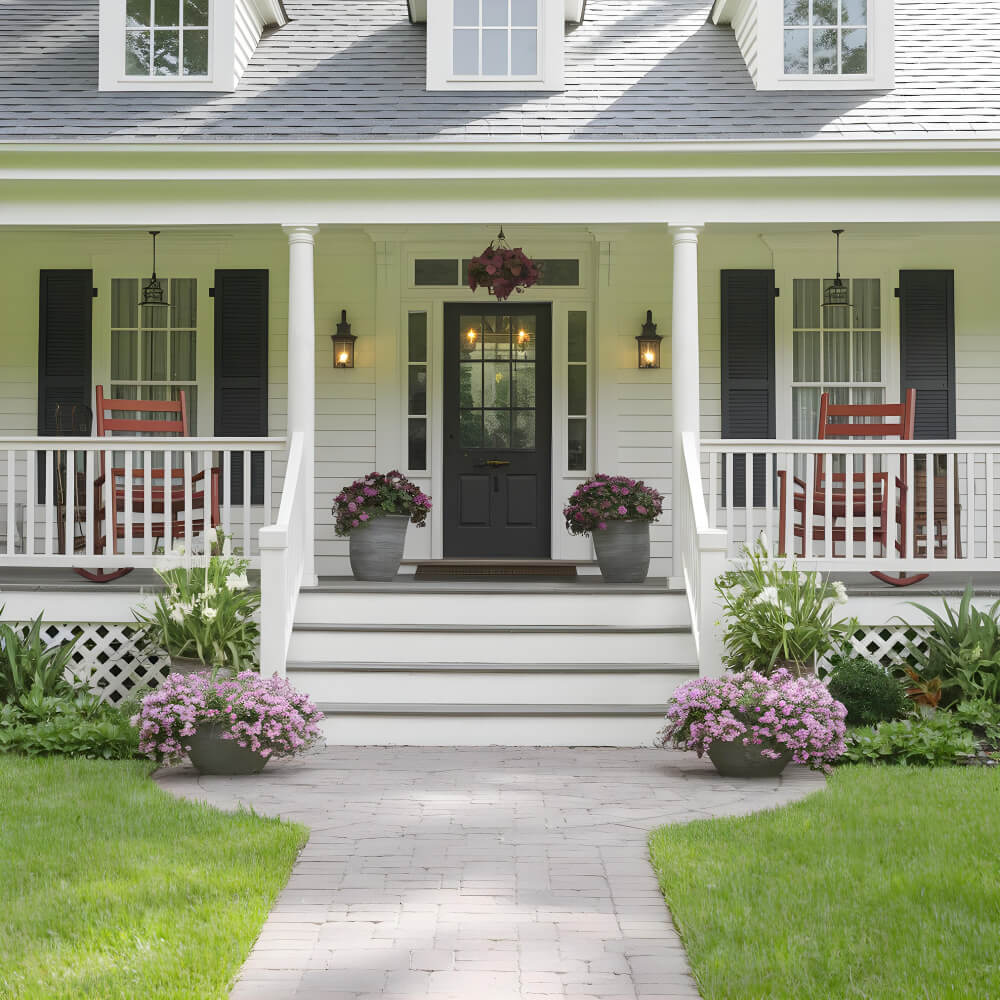
Murfreesboro Homes
Discover beautiful residential properties perfect for you and your family in prime neighborhoods.

Land and Acreage
Find the perfect plot of land to build your dream home or utilize for expansive recreational use.
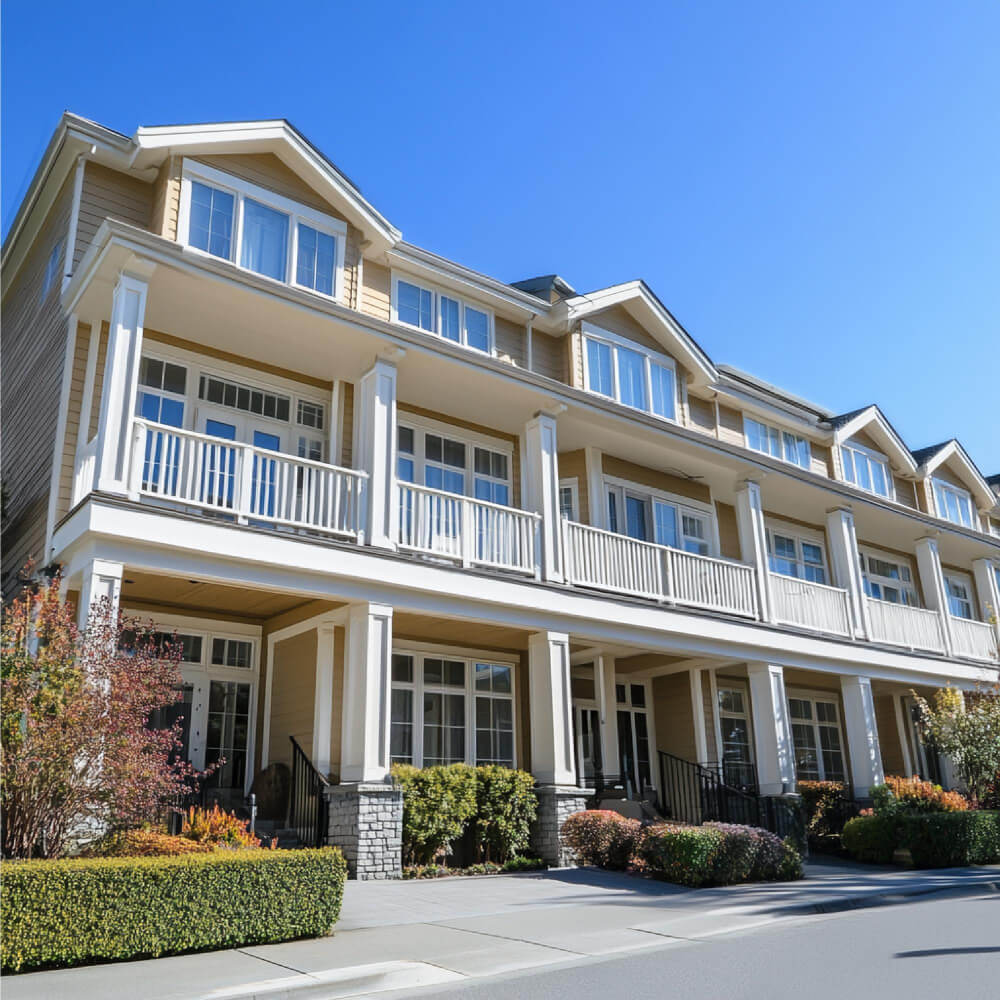
Investment Property
Explore lucrative real estate investments designed to generate long-term wealth and high ROI.
Disclaimer: All properties are subject to prior sale, change or withdrawal. Information provided is deemed reliable but not guaranteed and should be independently verified.
Locations we serve
Featured Middle Tennessee Locations
Discover the unique communities and sprawling acreage that make Rutherford County the perfect place to call home.
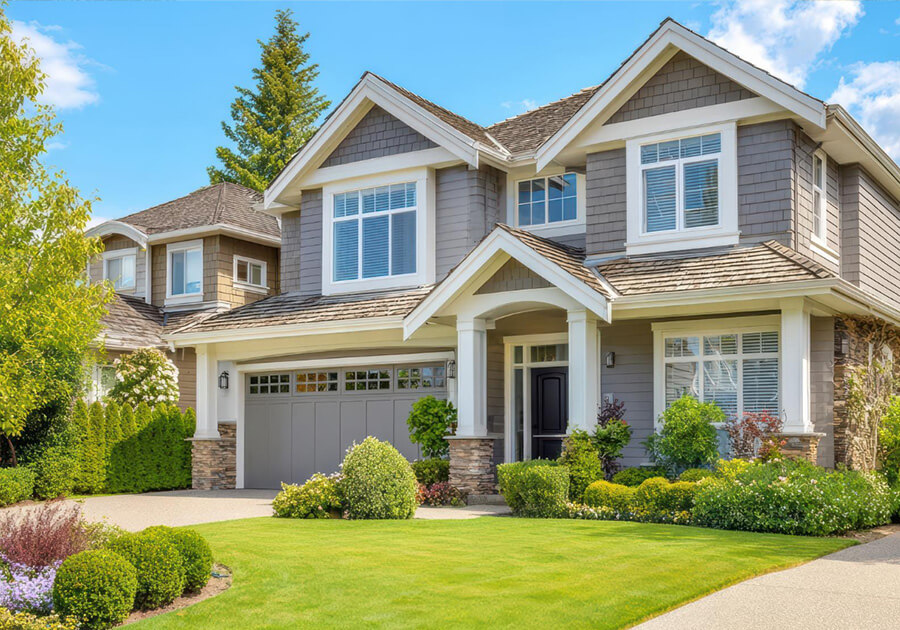
RUTHERFORD COUNTY
Murfreesboro
A thriving hub blending historic charm with modern convenience and vibrant local culture.
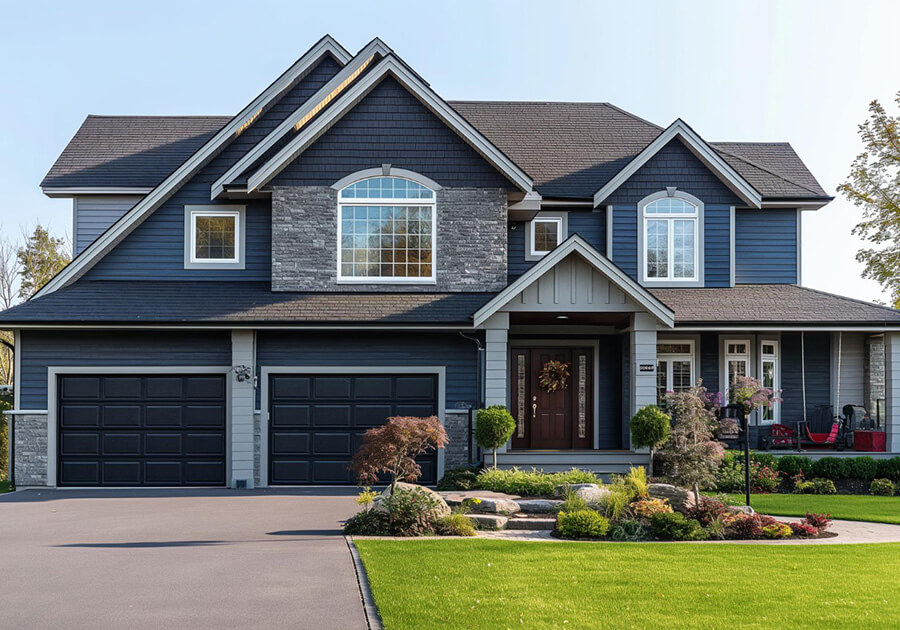
RUTHERFORD COUNTY
Smyrna
A family-friendly community defined by its rich parks, growing amenities, and close-knit feel.
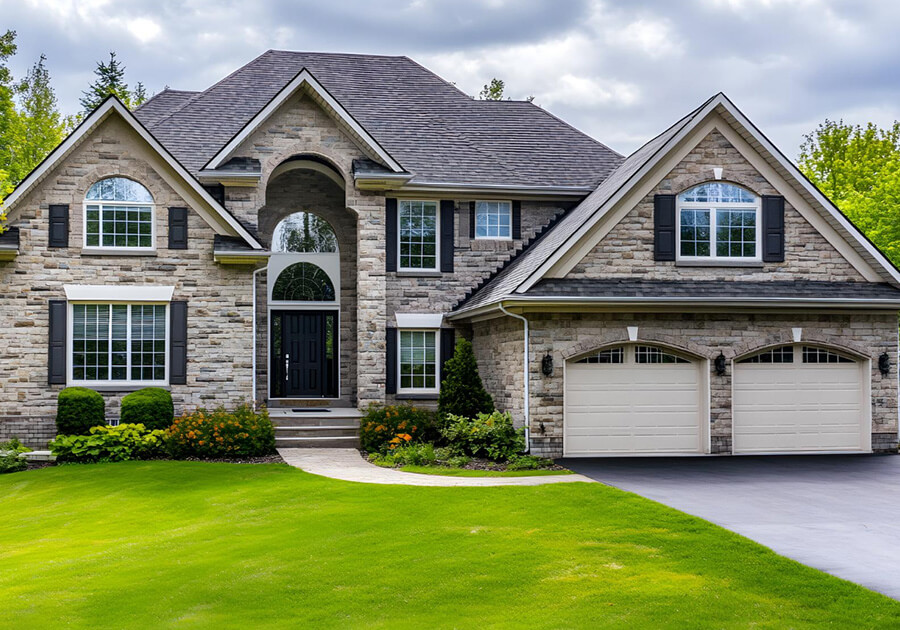
RUTHERFORD COUNTY
La Vergne
Affordable neighborhoods beautifully nestled along the scenic shores of Percy Priest Lake.
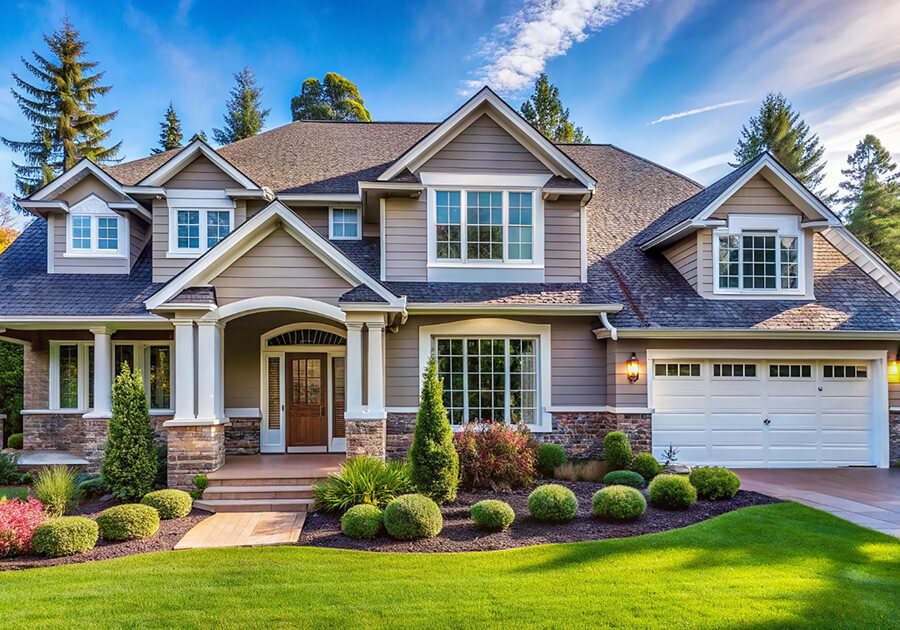
RUTHERFORD COUNTY
Eagleville
A peaceful rural retreat celebrated for its wide-open spaces and authentic small-town warmth.

RUTHERFORD COUNTY
Christiana
Classic country living highlighted by sprawling acreage and serene, timeless landscapes.
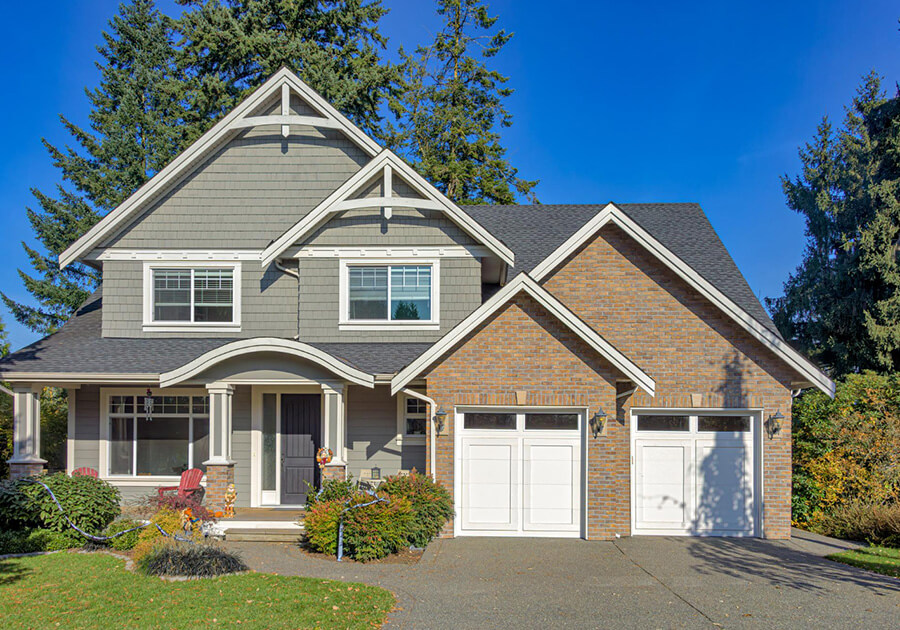
RUTHERFORD COUNTY
Rockvale
Quiet country roads and spacious properties for the ultimate private escape.
EXPERT INSIGHTS
Common Questions
Clear, authoritative answers to the most frequent inquiries regarding Middle Tennessee real estate, acreage, and property investments.
What areas of Middle Tennessee do you serve?
I specialize in premium rural estates, land, and residential properties across Middle Tennessee, with a particular focus on Williamson, Maury, and surrounding counties.
Can you help with evaluating land and acreage?
Absolutely. Evaluating acreage requires a specialized skill set. I assist clients in understanding topography, soil tests, utility access, and zoning regulations to ensure the land meets your long-term goals.
What makes your approach different from other local agents?
My approach is rooted in strategic advising rather than transactional sales. I provide in-depth market analysis, extensive property due diligence, and a commitment to protecting your investment at every step.
Do you work with out-of-state investors or relocations?
Yes. A significant portion of my clientele is relocating or investing from out of state. I offer comprehensive virtual tours, detailed regional insights, and streamlined coordination to make the transition seamless.
How do you assess the value of rural and estate properties?
Pricing rural property goes beyond basic comparable sales. I factor in land usability, timber value, water features, structural improvements, and future development potential to determine a precise and strategic valuation.
Are there specific zoning or development laws I should know about?
Middle Tennessee has varied zoning laws that dictate land use, subdivision rules, and building codes. As part of my due diligence, I guide you through these local regulations to ensure your vision for the property is legally viable.

Eric Keith, REALTOR® / Affiliate Broker
Phone: 629-253-6611
Helping buyers, sellers, landowners, and investors make practical real estate decisions across Murfreesboro TN and Bedford County, Tennessee.
SERVICES
LOCATIONS
FRANKLIN
BRENTWOOD
NASHVILLE
MURFREESBORO



© 2026 ERIC KEITH, REALTOR®. | Equal Housing Opportunity | ALL RIGHTS RESERVED.