
Unionville TN REALTOR® &
Real Estate Agent
Eric Keith helps buyers, sellers, homeowners, landowners, and Investors make confident real estate decisions across Unionville TN. Local knowledge. Practical guidance. Proven results.
Homes • Land • Acreage • Investment Property
A Rural Market. Every Property Needs the Right Comparison.
Unionville is a small Bedford County community surrounded by a broader rural real estate market. Buyers may find established homes, newer construction, larger lots, acreage, farms, vacant land, and properties with barns, shops, fencing, or other improvements. With limited sales volume and a wide range of property types, broad market averages should be treated as context. The house, land, condition, utilities, access, improvements, and exact location still tell the bigger story.
Unionville Housing Snapshot
YOUR PROPERTY GOALS
How Can Eric Help You With Your Real Estate?
From starter homes to luxury estates, Eric helps you find the right property at the right price.
Strategic pricing, powerful marketing, and skilled negotiation to get you top dollar.
Home Value
Get a free, no-obligation home valuation with accurate local market insight.
Land & Acreage
Hobby farms, hunting land, and large tracts—Eric knows rural Tennessee.
Investment Property
Build wealth with smart real estate investments backed by local market expertise.
MARKET REALITIES
Unionville TN Real
Estate Guidance
The local market demands a pragmatic approach. Understanding where valuations are stable and where zoning allows for operational flexibility is critical to establishing long-term land utility without overexposure.
Established Neighborhoods
Mature infrastructure and stable valuations characterize these areas. While offering predictable long-term holds, they often come with restrictive covenants and highly constrained inventory that requires decisive action.
New Construction Tracts
Expanding developments offer modern efficiencies but require strategic foresight. We evaluate municipal annexation maps, future infrastructure planning, and density projections before ever recommending a purchase.
Acreage & Unincorporated Land
Offering maximum flexibility for equestrian and private estates, these parcels demand rigorous due diligence. We manage soil feasibility, utility access, and zoning overlays to ensure absolute operational viability.
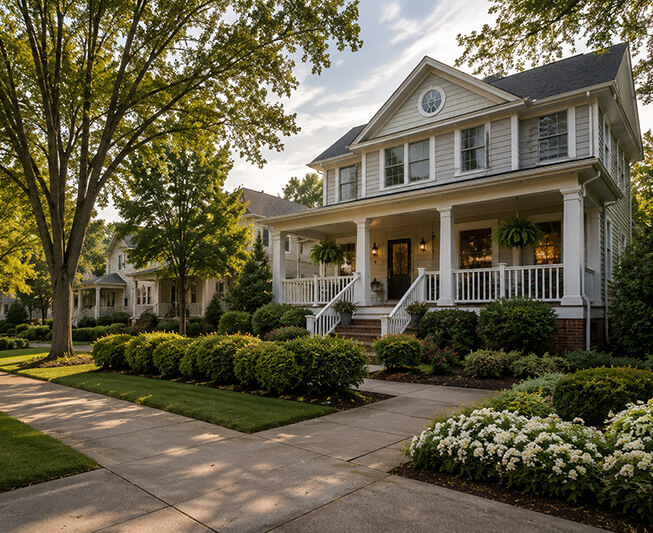
Clarity before your commit
Market Questions
A successful transaction begins with a clear understanding of the process. Review these fundamental insights into our local market and advisory approach. If you have specific considerations, we are ready to discuss them in detail.
What types of homes and properties can I find in Unionville, TN?
Unionville real estate can include established homes, newer construction, larger lots, acreage, farms, vacant land, and rural properties with barns, shops, fencing, or other improvements. Because Unionville is a smaller rural market, properties can vary quite a bit even when they have similar square footage. Buyers should compare homes based on land, condition, access, utilities, septic, improvements, and exact location instead of relying only on a broad market average.
What should I check before buying a rural property in Unionville, TN?
Look beyond the house itself. Depending on the property, you may need to verify septic, utilities, legal access, road frontage, surveys, easements, restrictions, property boundaries, topography, outbuildings, and the actual county where the parcel is located. A Unionville mailing address does not always tell you everything about zoning, taxes, permitting, or public records, so parcel-specific research is important before making a final decision.
How much is my Unionville home or acreage property worth?
The potential value of a Unionville property depends on condition, acreage, lot characteristics, access, utilities, barns, shops, fencing, improvements, location, and the most relevant recent sales. In a lower-volume market, the nearest sale is not always the best comparable. A property-specific home value review can help identify sales and competing listings that more closely match what you actually own.
What should I do before selling property in Unionville?
Start by gathering useful information about both the home and the land. Surveys, septic records, easement information, utility details, and documentation for barns, shops, fencing, or major improvements can help buyers understand the property. It also helps to address obvious maintenance issues and prepare the property for strong photography and showings. A Unionville property selling strategy should be based on your specific property and the most relevant comparable sales.
What should I know before buying land or acreage in Unionville, TN?
Before buying land, verify legal access, road frontage, utilities, septic potential, soil, topography, zoning, deed restrictions, easements, flood information, surveys, boundaries, and intended use. If you plan to build a home, add a barn or shop, keep animals, divide the property, or use the land for another purpose, those plans should be checked before closing. Never assume acreage is buildable simply because it is listed for sale. Learn more about buying land and acreage.
How do I choose a real estate agent in Unionville, TN?
Look for an agent who understands rural property and knows that Unionville homes, farms, acreage, and vacant land may all require different comparable sales and due diligence. A good agent should help you evaluate condition, septic, utilities, access, surveys, easements, restrictions, outbuildings, county jurisdiction, and recent sales while identifying anything that still needs to be verified. You can also ask a Unionville real estate question.

Eric Keith, REALTOR® / Affiliate Broker
Phone: 629-253-6611
Helping buyers, sellers, landowners, and investors make practical real estate decisions across Murfreesboro TN and Bedford County, Tennessee.
SERVICES
LOCATIONS
FRANKLIN
BRENTWOOD
NASHVILLE
MURFREESBORO


© 2026 ERIC KEITH, REALTOR®. | Equal Housing Opportunity | ALL RIGHTS RESERVED.